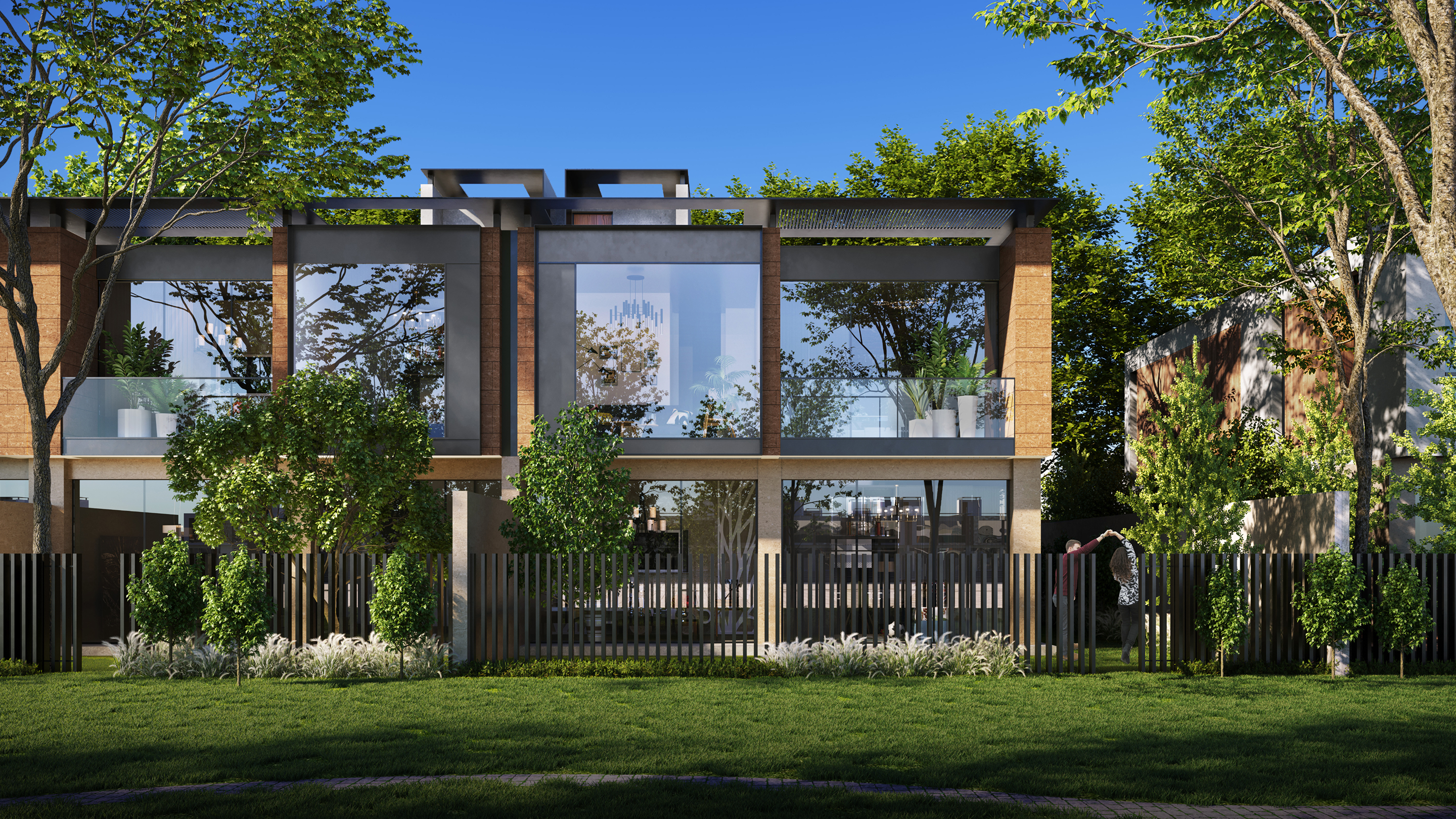
An eco-friendly house in the UAE is designed to minimise energy and water usage in a climate characterised by extreme heat and water scarcity. It utilises insulation, solar power, water-saving systems, and shaded, passive design to maintain cool interiors without relying heavily on air conditioning.
National policy has established such homes as the standard rather than the exception. Under the UAE’s Net Zero by 2050 strategy, building codes like Estidama in Abu Dhabi and Al Sa’fat in Dubai ensure that new homes are increasingly constructed with green principles mandated by regulation rather than personal preference. For buyers and investors, the key consideration is not the trendiness of a green home, but its value relative to the asking price.
Key takeaways
- An eco-friendly house in the UAE cuts energy and water use through insulation, solar power, and passive design built for extreme heat
- Cooling drives a large share of household electricity use, so Estidama in Abu Dhabi and Al Sa’fat in Dubai now set mandatory efficiency baselines for new homes
- Typical features, solar panels, high-performance glazing, greywater recycling, and smart thermostats cut utility bills and improve comfort
- Green-rated homes carry stronger resale appeal as buyers increasingly screen for running costs, not just purchase price
- Buyers should check a property’s Pearl or Sa’fa rating, expected utility costs, and community design before committing
What is an eco-friendly house?
An eco-friendly house is designed to significantly reduce energy and water consumption, focusing on measurable efficiency rather than superficial green features. True efficiency is reflected in performance metrics, such as insulation values, water usage monitoring, and verified solar energy production, rather than just a few native plants at the entrance.
In the UAE, this definition is influenced by the local climate, where cooling and air conditioning can account for up to 70% of electricity usage during the summer months, according to Powerwise, the Abu Dhabi government’s energy-awareness office. Here, an eco-friendly house primarily excels at maintaining a cool environment efficiently.
Why eco-friendly houses matter in the UAE
Eco-friendly houses are crucial in the UAE due to climate challenges and stricter regulations. The extreme heat and limited water resources lead to energy consumption that far exceeds the global average, making the UAE one of the highest per-capita energy users in the Gulf region. In summer, air conditioning can account for up to 70% of electricity usage.
From a regulatory perspective, buildings contributed approximately 27% of the UAE’s total greenhouse gas emissions in 2019, the baseline year for climate targets. Despite this relatively small share, the sector faces the most ambitious target: a 79% reduction in building emissions by 2035, as outlined in the UAE’s third Nationally Determined Contribution. The UAE’s Net Zero by 2050 strategy and Energy Strategy 2050 are driving this transition by enhancing renewable energy capacity and efficiency standards in housing.
For homeowners, this shift means that eco-friendly households are evolving from a lifestyle choice to a regulatory requirement for new purchases.
Green building regulations in the UAE
Green building is essential for developers in the UAE’s largest emirates. In Abu Dhabi, the Estidama initiative requires all new developments to achieve at least a 1 Pearl rating, while government-funded projects must attain 2 Pearls. In Dubai, the Al Sa’fat framework requires new buildings to meet at least Silver Sa’fa before permits are issued, up from the previous Bronze standard. Consequently, buyers can be assured that new homes in Abu Dhabi already comply with a verified efficiency standard before viewing.
Key features of an eco-friendly house in the UAE
Key features of an eco-friendly house in the UAE focus more on the practical costs of energy and water rather than on aesthetics. Below is a table that highlights the essential building components and their impact on homeowners.
| Feature | What it does | Owner outcome |
|---|---|---|
| Insulation and glazing | Reduces heat transfer through walls, roofs, and windows | Lower AC load and smaller utility bills |
| Solar photovoltaic (PV) panels | Generates on-site electricity, often feeding into the grid | Offsets daytime cooling costs |
| Greywater recycling and low-flow fixtures | Reuses water from sinks and showers for irrigation | Cuts water bills in a scarce-water climate |
| Passive, shaded design | Orients the building and shades openings to limit direct sun | Keeps interiors cooler with less mechanical cooling |
| Smart thermostats and energy management | Automates cooling schedules and monitors usage | Prevents wasted cooling when a home is empty |
| District cooling connection | Supplies chilled water from a shared, efficient central plant | Lower long-term running costs than individual AC units |
Insulation and shading provide quick returns by reducing the cooling load before equipment activation. Solar panels and district cooling further decrease the costs of addressing the remaining load.
What are the benefits of an eco-friendly house in the UAE?
The benefits of an eco-friendly house in the UAE include reduced utility bills, enhanced indoor comfort, increased resale value, and better compliance with evolving regulations.
- Lower utility bills: Certified buildings in Dubai have shown energy savings ranging from 22 per cent in hotels to 63 per cent in single-family villas compared with uncertified stock.
- Comfort and air quality: Shaded design and better insulation reduce indoor temperature swings and strain on ageing AC units, which also improves air quality by cutting condensation and mould risk.
- Resale appeal: As more buyers screen for running costs rather than purchase price alone, homes with a verified Pearl or Sa’fa rating are better positioned against unrated stock.
- Regulatory alignment: Buying a new build in Abu Dhabi or Dubai already secures compliance with the emirate’s current baseline, ahead of any future retrofit requirements.
What are the Estidama guidelines?
The Estidama guidelines mandate that all new developments in Abu Dhabi achieve a minimum of 1 Pearl rating for approval, regardless of size or type. The Pearl Rating System evaluates projects across seven categories.
| Category | What it covers |
|---|---|
| Integrated Development Process | Requires design, construction, and facility teams to plan sustainability together from day one |
| Natural Systems | Protects and restores the site’s natural habitat and surrounding ecology |
| Liveable Buildings | Improves outdoor and indoor space quality, connectivity, and comfort |
| Precious Water | Sets requirements for water conservation, reuse, and efficient fixtures |
| Resourceful Energy | Covers cooling efficiency, lighting, and renewable energy generation |
| Stewarding Materials | Favours sustainable, recycled, and locally sourced construction materials |
| Innovating Practice | Rewards design solutions that go beyond the standard requirements |
For off-plan buyers, this is crucial. Purchases are made based on approved design standards before handover, making it essential to understand the Pearl categories to know what you are buying. Modon’s off-plan property guide explains how these approvals integrate into the purchasing process.
Eco-friendly communities in the UAE
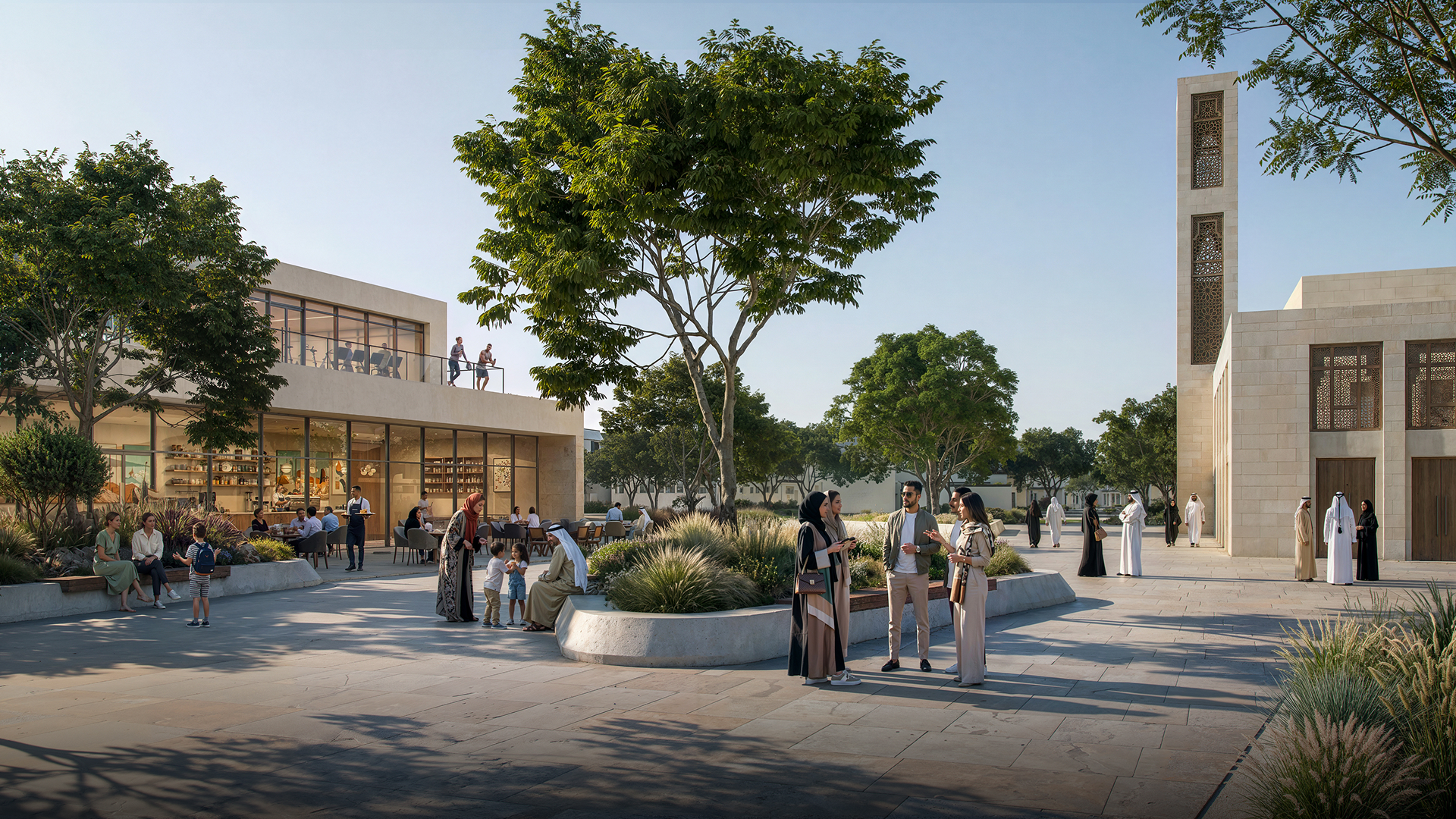
Sustainability in the UAE thrives at the community level rather than just individual units. Features like shaded streets, walkable designs, cycling paths, and shared green spaces reduce car dependency and mitigate urban heat, lowering cooling demands. Masdar City in Abu Dhabi exemplifies this, with its shaded streets and wind-channel design reportedly keeping temperatures several degrees cooler than the surrounding area. Sensor-based lighting and water systems have halved daily electricity and water usage, while its solar plant has significantly reduced electricity costs since inception.
Similarly, Hudayriyat Island promotes outdoor lifestyles with its elevated cycling track, mangrove walk, and eco-tourism areas, minimising short car trips and prioritising shared green spaces. This approach is outlined in Modon’s guide for Hudayriyat Island. Explore Modon’s broader real estate portfolio to see how these principles apply across their developments.
How to buy an eco-friendly house in the UAE
Purchasing an eco-friendly home in the UAE involves four essential checks before finalising any agreement.
- Verify the rating: Request the property’s Estidama Pearl rating or Al Sa’fat certification level instead of relying on verbal claims of being “green”.
- Inquire about running costs: Obtain expected utility and service charge estimates, as an efficient home should demonstrate significantly lower ongoing expenses beyond just the purchase price.
- Examine the specifications: Review insulation values and glazing types in the sales documents to avoid assuming that all new builds perform equally.
- Consider the community: Factors like shaded streets, walkability, and shared green spaces contribute to daily comfort just as much as the interior of the home.
Off-plan buyers are often in the best position to access the latest efficiency standards, as they are purchasing in line with current building codes rather than older properties. Modon’s guide to buying property in Abu Dhabi outlines the broader purchasing process, including ownership types and registration.
Conclusion
An eco-friendly house in the UAE has become mainstream, aligning with national policies, climate needs, and buyer preferences for reduced running costs. When evaluating properties, whether it’s an Abu Dhabi villa’s Estidama rating or a waterfront community on Hudayriyat Island, prioritise verified performance data over marketing claims. Discover how Modon’s real estate portfolio exemplifies these standards in Abu Dhabi’s current developments.
FAQs on eco-friendly houses in the UAE
What makes a house eco-friendly in the UAE?
An eco-friendly house in the UAE effectively reduces energy and water consumption through insulation, shading, solar power, and efficient fixtures and usually holds a verified Estidama Pearl or Al Sa’fat rating to confirm its performance.
Are eco-friendly homes more expensive to buy?
Eco-friendly homes may have a slight purchase premium, but certified villas in Dubai can save up to 63% on energy costs compared to uncertified properties, helping to balance the initial price with lower utility bills over time.
Do green building rules apply to all new homes?
Yes. In Abu Dhabi, new developments require a minimum of 1 Pearl Estidama rating, while Dubai mandates at least Silver Sa’fa certification for building permits.
Do eco-friendly houses really lower utility bills?
Yes, independent analysis shows that Al Sa’fat-certified buildings in Dubai achieve energy savings of 22% in hotels and up to 63% in single-family villas compared to uncertified buildings.
References
- Alhamlawi, F., Alaifan, B., and Azar, E. (2021). A comprehensive assessment of Dubai’s green building rating system: Al Sa’fat. Energy Policy, 157, 112503.
- Centre for Public Impact. (2024). Masdar City in Abu Dhabi.
- Department of Municipalities and Transport. (n.d.). The Pearl Rating System for Estidama (Version 1.0).
- Dubai Municipality. (n.d.). Al Sa’fat, Dubai green building system.
- EmiratesGBC. (n.d.). UAE sustainability built environment blueprint.
- Enerdata. (2024, November 7). The UAE unveils new NDC and targets 47% GHG emissions reduction by 2035.
- PwC. (n.d.). Masdar City: The eco-oasis blueprint for sustainable cities.
- The National. (2021, July 5). How to reduce your air-conditioning bill in the UAE.
- UAE Government. (n.d.). The UAE’s Net Zero 2050 strategy.
- WION. (2026). India uses 10 times less energy per person than the US: Top 7 countries that consume the most energy.