Expatriates account for over 90% of the UAE’s population, leading to significant real estate demand driven by international buyers, especially in designated freehold zones where foreign nationals can own property. Freehold ownership gives expatriates clear title and long-term certainty, encouraging the consideration of the UAE as home.
This guide explains the laws and ownership rights of freehold properties in the UAE. We also discuss how freehold ownership works in Abu Dhabi, its benefits, and important elements to consider before making a purchase.
Key takeaways:
- Buyers fully own the property and the land it sits on, and enjoy rights to sell, lease, mortgage and pass down to heirs
- Foreign property ownership is limited to designated freehold zones such as Palm Jumeirah in Dubai) and Reem Island in Abu Dhabi
- Initiatives such as the Golden Visa, tax-free rental income, 100% business ownership, escrow protections, and retirement visas make the UAE attractive for foreign investors and long-term residents
- Abu Dhabi’s freehold market is typically stable with few speculative swings, 6-8% rental yields and consistent long-term demand, appealing to families and investors
Freehold property explained
Freehold ownership means you have full, permanent ownership of both the property and the land it’s built on. It is the most complete form of property ownership, and your heirs can also inherit this freehold property if you decide to pass it down. Below, we explore the definition of freehold ownership, why it matters and the difference between freehold and leasehold.
Freehold vs. leasehold properties
Buyers and investors often favour freehold properties, but there are instances where purchasing a leasehold property makes more sense. The latter is suitable for shorter-term needs and, at times, may even have better investment potential than a freehold property.
Before deciding between the two, it’s best to know the differences:
Question | Freehold | Leasehold |
Do you own the property and land? | Yes, you own both the property and land | You don’t own the land, only the right to use the property |
Is the ownership permanent? | Yes. No there's expiry date | No. You lease the property for a set time, with the maximum being 99 years |
Can you resell the property? | Yes | Yes. However, the buyer takes over the remaining years of the lease |
What are the costs like? | Typically more expensive upfront payments | Typically cheaper upfront than freehold |
Is it easy to get mortgage financing? | Yes, because banks see it as a lower risk | More challenging, especially if the lease is short, i.e. under 20-30 years |
Will its value appreciate? | Yes. It will hold or grow steadily in value with time | Its value will decrease as it nears the end of its lease |
An overview of freehold property in the UAE
In 2002, Dubai introduced freehold ownership for foreigners in designated areas. Other emirates soon followed suit. Today, freehold property in the UAE means that foreign nationals may buy, own, sell, lease and pass down property with full rights in government-designated freehold zones.
Legal framework and ownership rights
While UAE and GCC (Gulf Cooperation Council) nationals can buy freehold properties anywhere in the UAE, foreign nationals can only buy properties within designated freehold zones. These are set individually by each emirate.
Owners will receive a full title deed from the Land Department, which entitles them to these ownership rights:
- The right to sell the property at any time
- The right to transfer ownership
- The right to pass on to heirs (in adherence with UAE inheritance laws)
- The right to ease or rent out the property
- The right to mortgage the property
These ownership rights are the same as those that UAE and GCC nationals would receive. Such rights play a key role in attracting long-term foreign residents by giving them secure and internationally recognised property rights.
Expats and foreign ownership in freehold zones
Expat and foreign ownership in freehold zones have been one of the biggest developments in the UAE real estate industry in the past two decades.
Within designated freehold zones, expats can now own residential units and even land, in certain zones. Some of the major freehold zones include:
- Dubai: Palm Jumeirah and Meydan
- Abu Dhabi: Reem Island and Hudayriyat Island
- Sharjah: Tilal City and Maryam Island
Government policies encouraging foreign investment
The UAE government has introduced several key policies in recent years to attract foreign investment, particularly with freehold property. These policies have been successful in creating security and profitability with investors and buyers alike.
Here are some key government policies that encourage foreign investment:
- Golden Visa. After reforms, property owners with AED2 million in real estate can now qualify for a Golden Visa. This includes off-plan or mortgaged properties, and multiple properties can be combined to meet the AED2 million threshold
- Business and ownership reforms. In 2021, the UAE government allowed 100% foreign business ownership in most sectors outside of free zones. This development means investors can set up businesses independently of local sponsors, in addition to purchasing properties
- Appealing tax benefits. Rental income is untaxed, although some emirates levy small tourism fees. Capital gains on property sales are also not taxed. Other than a one-time 4% registration fee, there is no income tax or property tax
- Escrow laws. In Dubai and Abu Dhabi, developers must put buyer funds in regulated escrow accounts for off-plan projects. This protects buyers and creates trust in the real estate sector
- Retirement visa. Foreigners over 55 who own property or have savings can qualify for retirement visas, ensuring a stable, long-term settlement plan
Freehold property in Abu Dhabi
Abu Dhabi passed a new property law in 2019 that allowed foreigners to buy full freehold property in designated zones.
Designated freehold zones for expats
The majority of designated freehold zones for foreign buyers in Abu Dhabi are master-planned communities with strong infrastructure, premium lifestyle amenities, and long-term growth potential, making them ideal for investors and expats who plan to make Abu Dhabi their long-term home base.
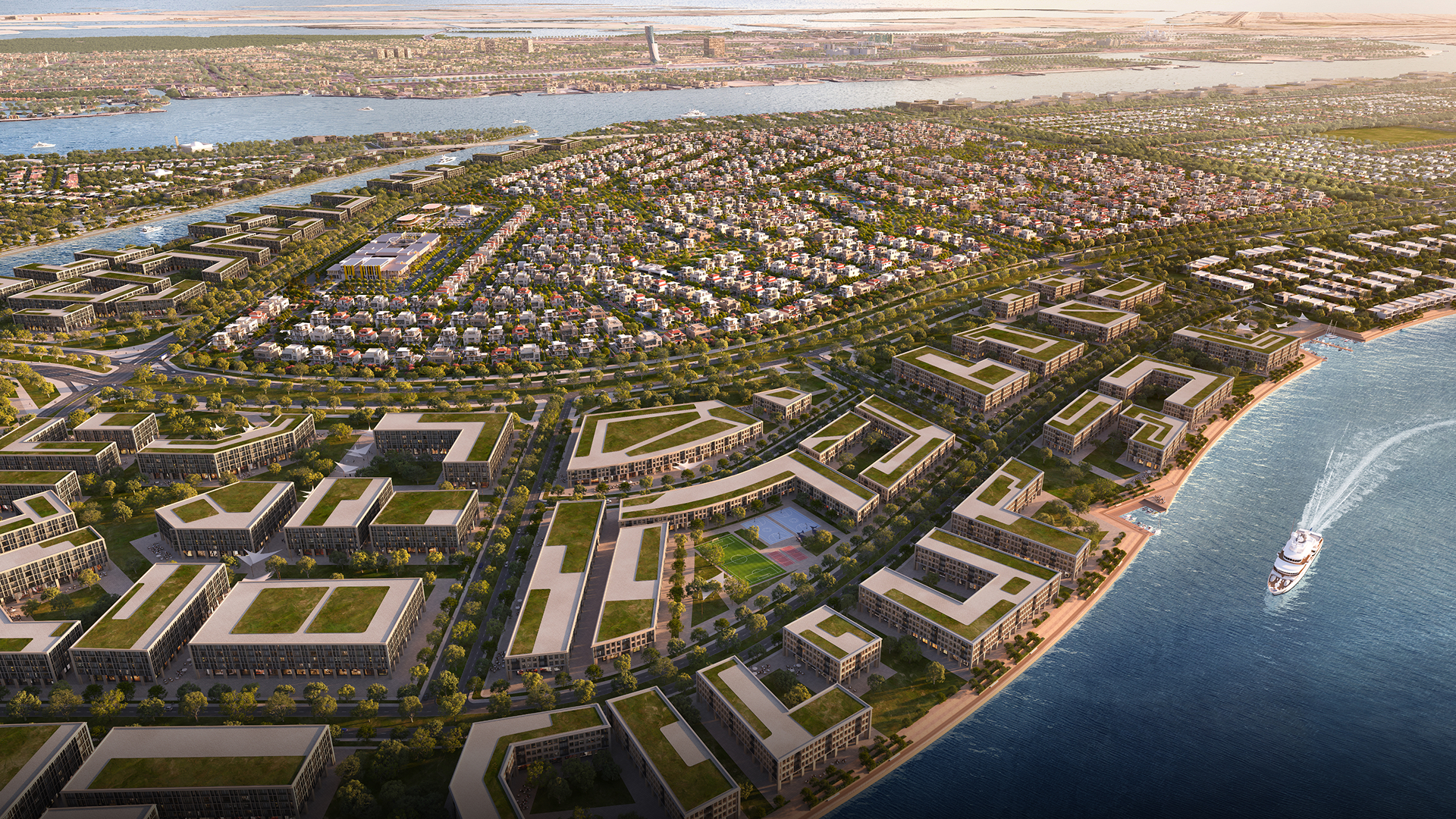
Reem Island is one of Abu Dhabi’s more popular freehold zones, particularly because of its close proximity to the downtown area. It is known for its modern, high-rise apartments, stunning waterfront views and luxury villa communities.
Popular communities for freehold property in Abu Dhabi
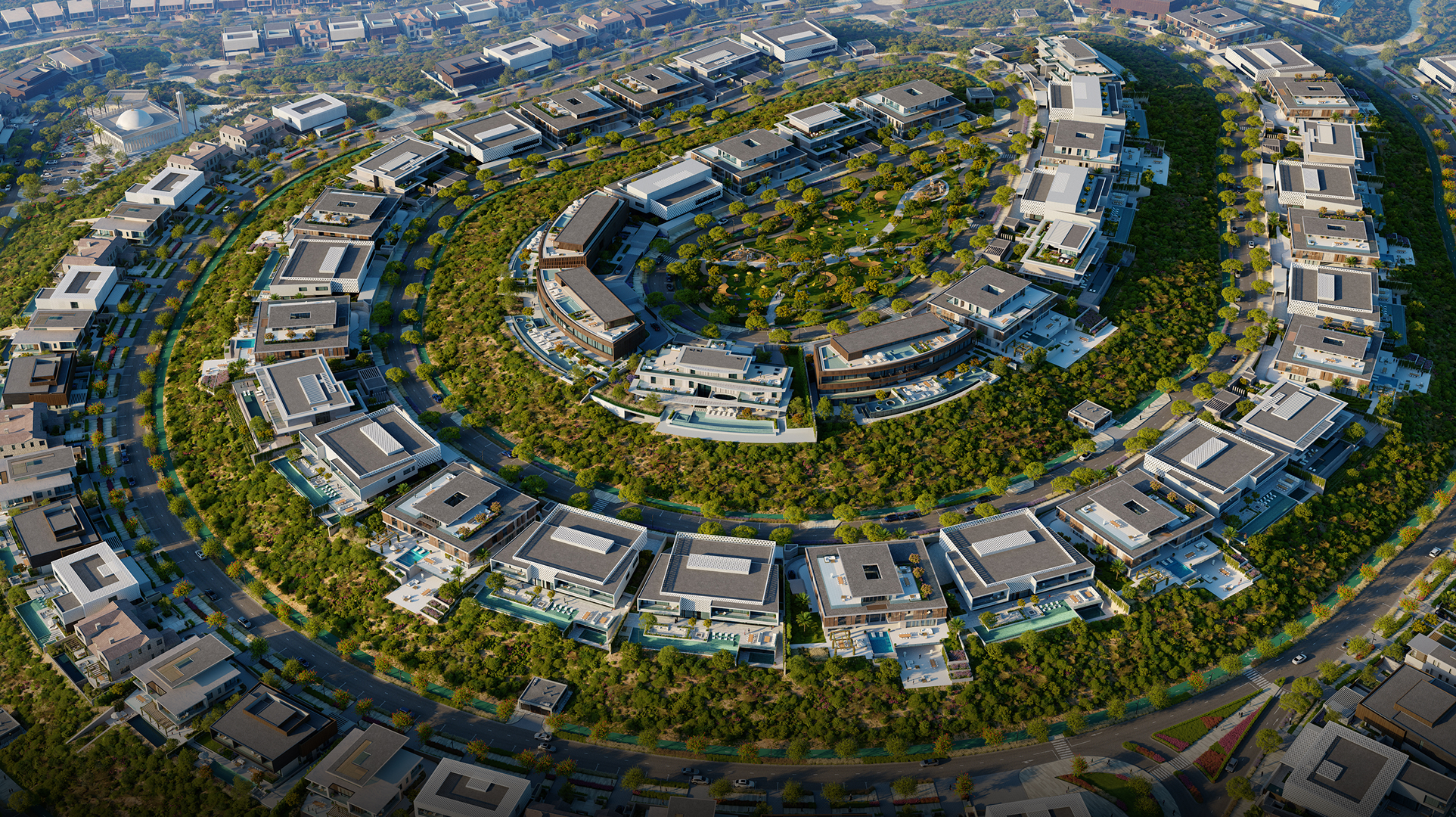
Reem Hills, a Modon development, is one such gated community on the island, with luxury villas and townhouses perched on landscaped hills. It is a popular choice for foreign investors with families, as the community features schools, parks, community centres and wellness facilities that has been designed with family living in mind.
Those who prefer chic, contemporary apartments with waterfront views will find the Al Naseem Community appealing. This Modon development is a popular community offering an urban lifestyle with a vast range of amenities in close proximity to business districts.
Long-term value of freehold investments in the capital
Within just the first half of 2025, Abu Dhabi saw more than 40% growth in the value of real estate transactions compared to the same period in 2024. Capital appreciation projections also look positive, with forecasts expecting property prices in Abu Dhabi to grow from 3-6% annually over the next few years, while rental yields are averaging 6-8%. Premium freehold zones and waterfront areas are projected to perform at the upper end of the scale.
Benefits of owning freehold property in UAE
From full ownership rights and high rental yields to living in carefully curated communities in one of the safest cities in the world, the appeal of freehold property ownership in the UAE for expatriates is clear.
1. Full ownership rights and inheritance
Freehold property owners receive a title deed, which is proof that they own the property outright for as long as they wish to. In Abu Dhabi, foreign nationals can buy on a freehold basis in designated zones, including Reem Island. Owners can sell, rent, mortgage, and pass on the property to heirs. They also enjoy the flexibility to do with the property what they wish, including rebuilding, renovating, and renting out, subject to the relevant local laws.
2. High-value investment and rental yields
Foreign investors looking to purchase freehold property in the UAE can expect rental yields averaging 4.87% gross, which is higher than other global hubs, including London at just over 3% and Singapore at 3-4%.
Abu Dhabi, in particular, has rental yields averaging 6-7% at Reem Island. With a growing expat community and demand, properties become easier to rent, making freehold properties in the UAE a high-value investment.
3. Lifestyle and community advantages
Abu Dhabi is one of the safest cities in the world, topping online database Numbeo’s list in 2025 for the ninth year in a row. It has a safety index of 88.4 out of 100.
Communities in freehold zones, including Reem Hills and Muheira, are master-planned with beaches, parks, schools, community amenities, and healthcare facilities. This creates a high standard of living for residents and communities of like-minded people.
Key considerations before buying freehold property
Purchasing a freehold property is a large purchase and, like any investment, carries its own risks. Before committing, expat buyers and investors should take such risks into consideration.
1. Costs beyond the purchase price of a freehold property
When purchasing freehold property, buyers must also consider costs beyond the actual purchase price, such as additional fees:
- Upfront costs. These include 2-4% registration fees, transfer fees, agency commissions, and developer fees
- Ongoing costs. These include service charges according to the square footage of your property, maintenance fees, utility bills, insurance, and more
2. Location and community fit
Research on the location and community is also important to determine if the freehold zone fits your demand profile and end goals. For example, Reem Island appeals to buyers seeking a good work-life balance, as it is in close proximity to the business district while offering convenient amenities, waterfront living, recreation and healthcare facilities.
3. Long-term growth potential
While freehold ownership has no expiry date, not everyone wishes to hold on to the same property forever. For those who purchase freehold property with the intention to invest or resell at a later point, it’s worth researching the long-term growth potential of a particular development.
Some zones have strong resale markets, while some newer, emerging zones may take longer to resell. It’s worth taking this into consideration when thinking about future plans for your property
Own a freehold property in Abu Dhabi with Modon
Purchasing freehold property in the UAE offers foreign investors security, flexibility and long-term value. With full ownership rights, attractive government policies, and legal protections in place, foreign buyers can invest confidently. Abu Dhabi has shown itself to be a stable market with high rental yields, family-friendly communities and an appealingly paced lifestyle.
That said, buyers should carefully consider factors such as additional costs, location fit, long-term growth potential,, and select a suitable developer such as Modon before committing.
Discover Modon’s freehold properties on Reem Island, such as Reem Hills for luxury villas perched on landscaped hills, or the Al Naseem Community for chic, luxury waterfront apartments surrounded by an abundance of greenery.
References
- United Arab Emirates Population 2025. (n.d.). World Population Review. Retrieved 6-10-2025, from https://worldpopulationreview.com/countries/united-arab-emirates
- Abdulla Rasheed, & Abdulla Rasheed. (2025, September 13). UAE real estate market: Abu Dhabi sees 40% growth in first half of 2025. Gulf News: Latest UAE News, Dubai News, Business, Travel News, Dubai Gold Rate, Prayer Time, Cinema. Retrieved 6-10-2025, from https://gulfnews.com/business/property/uae-real-estate-market-abu-dhabi-sees-40-growth-in-first-half-of-2025-1.500267864
- Sahu, H. (2025, May 28). Abu Dhabi Property Market Outlook 2025: Growth drivers and investment hotspots. estatemagazine.ae. Retrieved 6-10-2025, from https://estatemagazine.ae/abu-dhabi-property-market-outlook-2025-growth-d/
- Shubina, K. (2025, May 14). Gross rental yields in United Arab Emirates: Dubai and 4 other cities. globalpropertyguide.com. Retrieved 6-10-2025, from https://www.globalpropertyguide.com/middle-east/united-arab-emirates/rental-yields