Thinking about living in Abu Dhabi in 2026? You’re not alone. As one of the most popular places to live in the UAE, Abu Dhabi continues to attract people looking for a safe, modern and well-connected city with a high quality of life.
Abu Dhabi offers many reasons to make the move, from low crime rates and world-class infrastructure to tax-free income and a strong sense of community. It’s a city where everyday life feels practical and comfortable, while still offering plenty to explore.
If you’re planning a move, this guide will help you understand what life in Abu Dhabi is really like, what to expect when settling in, and why so many residents choose to call it home.
Key takeaways
- Abu Dhabi has 0% personal income tax and a growing non-oil economy, with opportunities in finance, technology, renewable energy and artificial intelligence
- Golden Visas and Green Visas offer self-sponsored residency options for skilled professionals, freelancers and investors, with family sponsorship available
- Abu Dhabi combines strong public safety with international schools, advanced healthcare, and reliable transport. It has also ranked among the world’s safest cities for several consecutive years
- Tawtheeq registration supports secure rental agreements, while foreign buyers can purchase freehold property in designated areas such as Yas Island, Saadiyat Island and Reem Island
- Modon Properties develops master-planned communities ranging from the urban convenience of Reem Island to the active, coastal lifestyle of Hudayriyat Island
Why move to Abu Dhabi in 2026?
There are plenty of cities that promise a fresh start, but Abu Dhabi actually delivers one. Here are the main reasons to consider living in Abu Dhabi:
One of the safest cities in the world
Abu Dhabi has been ranked the safest city in the world by Numbeo for the tenth year in a row in 2026, with a safety index of 88.9. For families, solo professionals and expats, this creates a reassuring and secure place to live.
No personal income tax
One of the biggest benefits of living in Abu Dhabi is the 0% personal income tax on salaries and capital gains. This means working professionals can keep more of what they earn and build savings faster.
Growing and diversifying economy
Abu Dhabi’s non-oil economy grew by 7.7% entering 2026, supported by major investment and global trade. This is creating more opportunities in sectors such as artificial intelligence, renewable energy, advanced manufacturing and finance.
Long-term visas
The 10-year Golden Visa and 5-year Green Visa give skilled professionals, freelancers and investors more freedom and flexibility. These visas also make it easier to sponsor dependents and plan for the future with confidence.
Excellent city infrastructure and livability
Abu Dhabi is continuing to invest in major urban development across areas such as Saadiyat Island, Yas Island and Reem Island. Residents benefit from international schools, modern healthcare facilities and growing cultural districts, making everyday life convenient and comfortable.
Cost of living in Abu Dhabi in 2026
The cost of living in Abu Dhabi can be very manageable when you compare it with other major global business hubs. Here is a simple breakdown of the typical monthly expenses for a single professional and a family of four:
| Expense category | Single professional (AED / month) | Family of four (AED / month) |
|---|---|---|
| Rent (apartment or villa) | AED 5,000 to AED 9,500 | AED 11,000 to AED 23,000 |
| Groceries | AED 900 to AED 1,600 | AED 2,200 to AED 4,500 |
| Dining out | AED 600 to AED 1,300 | AED 1,800 to AED 3,500 |
| Transport (car or taxi) | AED 500 to AED 1,200 | AED 1,200 to AED 2,500 |
| Utilities (ADDC + internet) | AED 600 to AED 1,100 | AED 1,300 to AED 2,300 |
| International school fees | Not applicable | AED 4,000 to AED 9,000 |
| Health insurance | Often employer-provided | Often employer-provided |
| Leisure and entertainment | AED 600 to AED 1,200 | AED 1,200 to AED 3,000 |
Finding a home in Abu Dhabi: Renting vs buying
When moving to Abu Dhabi, many expats need to decide whether renting or buying makes more sense. The right choice often depends on your career plans, how long you expect to stay, and your financial goals.
Renting in Abu Dhabi
Renting is usually the simpler option if you want flexibility and less long-term commitment.
- Tawtheeq registration: Tenancy contracts are registered through the TAMM portal, which helps validate residency for visa renewals, utilities and government services
- Rent increase limits: Abu Dhabi tenancy rules cap annual rent increases at 5%, which helps protect tenants from sudden price jumps
- Basic documents: You usually need a passport copy, Emirates ID and a signed tenancy agreement
- Upfront payments: Rent is often paid using post-dated cheques, and tenants usually pay a refundable security deposit before moving in
Check out the Abu Dhabi rental index in 2026.
Buying property in Abu Dhabi as an expat
Buying can suit expats who want a longer-term home or a property investment.
- Freehold zones: Foreign buyers can purchase 100% freehold property in designated areas such as Yas Island, Saadiyat Island and Reem Island
- Ownership options: Expats may choose from freehold, long-term leasehold or Musataha rights
- Mortgage requirements: Non-national buyers usually need at least a 20% down payment
- Extra costs: Buyers should also budget for registration fees, agency fees and other transaction costs
- Title deed: Once the sale is registered, the buyer receives the official title deed
Visas and residency in Abu Dhabi
The UAE offers a range of visa options for professionals, investors and families moving to Abu Dhabi. Each route comes with different validity periods, sponsorship rules and financial requirements. This is a simple table to compare the main options:
| Visa type | Who it is for | Key details |
|---|---|---|
| Employment visa | Skilled professionals with a job offer from a UAE-registered employer | Requires employer sponsorship; remains valid for two years with options for renewal |
| Golden Visa | High-net-worth investors, entrepreneurs, scientists, and exceptional talent | Grants self-sponsored 10-year residency without requiring an employer sponsor or minimum continuous stay |
| Green Visa | Skilled workers, freelancers, and small business investors | Provides 5-year self-sponsored residency with an extended 180-day grace period after visa expiry |
| Property investor visa | Real estate buyers purchasing qualifying residential properties in designated zones | Offers 2-year renewable residency for properties valued at AED 750,000 or 10-year Golden Visa residency for AED 2 million |
| Family sponsorship visa | Dependents of foreign nationals holding valid UAE residency | Allows primary visa holders earning at least AED 4,000 per month to sponsor spouses and children |
| Freelance visa | Independent contractors and self-employed professionals | Requires an official freelance permit from a recognized free zone authority alongside valid health insurance |
Healthcare in Abu Dhabi
Abu Dhabi offers high-quality healthcare through a combination of public hospitals, clinics and international private providers. Residents and expats can access a wide range of medical services, from everyday appointments to specialist treatment.
Public healthcare in Abu Dhabi
Public healthcare is managed through a connected system that supports residents across the emirate.
- SEHA network: SEHA, part of PureHealth, manages more than 14 public hospitals and 70 primary healthcare clinics in Abu Dhabi
- Daman coverage: Daman handles public insurance schemes, including the Thiqa plan for Emirati citizens and structured options for expats
- High clinical standards: SEHA facilities hold international accreditations and provide specialist care in areas such as oncology, cardiology, orthopedics and emergency medicine
- Digital access: Patients can book appointments, check test results and manage prescriptions through digital apps
Private healthcare in Abu Dhabi
Private healthcare offers fast access and specialist treatment through leading international providers.
- Top medical centres: Hospitals such as Cleveland Clinic Abu Dhabi, Burjeel Hospital and Mediclinic provide advanced specialist care
- Advanced technology: Many facilities use AI-assisted diagnostics, robotic surgery and rehabilitation programmes to support better outcomes
- Employer-sponsored access: Private health insurance often gives residents direct access to specialist care without long referral delays
- Quality ratings: The Department of Health Abu Dhabi uses the Muashir index to assess hospital safety, outcomes and service quality
Schools and education in Abu Dhabi
The Abu Dhabi Department of Education and Knowledge (ADEK) regulates public and private schools across the emirate. Abu Dhabi offers a range of education options, modern facilities and clear quality standards especially for international families.
What are the different school curriculums in Abu Dhabi?
Abu Dhabi offers several school curriculums, making it easier for expat families to find an option that matches their child’s education and future plans.
- British curriculum: Based on the National Curriculum for England, this pathway leads to IGCSEs and A-Levels. Schools include The British School Al Khubairat and British International School Abu Dhabi
- American curriculum: Schools follow Common Core standards and may offer Advanced Placement (AP) courses. American Community School of Abu Dhabi offers High School Diploma programmes
- International Baccalaureate (IB): The IB uses inquiry-based learning across the Primary Years, Middle Years and Diploma Programme. Raha International School offers the full IB pathway
- Indian curricula: CBSE and ICSE schools provide structured learning and national examinations. Bright Riders School offers CBSE programmes
- Ministry of Education curriculum: UAE government schools and some bilingual schools follow the national curriculum, with a focus on Arabic, Islamic studies and UAE values
- French curriculum: French schools follow the French national framework and prepare students for the Diplôme National du Brevet and French Baccalauréat
Check out the best international schools in Abu Dhabi.
Getting around Abu Dhabi
The city is built for easy, everyday travel, with expressways, bus routes, taxis and smart transit apps making it simple to move between mainland and island communities.
Driving in Abu Dhabi
Driving is a popular way to get around Abu Dhabi, especially for commuters travelling between the city, its suburbs and nearby emirates.
- Darb toll gates: The Darb system uses cameras to scan vehicle number plates and automatically deducts AED 4 for each peak-hour crossing
- Driving licence conversion: Expats from approved countries can convert their home licence into a UAE licence through the TAMM portal without taking a driving test
- Mawaqif parking: Public parking areas use colour-coded curbs. Drivers can pay by SMS or through the Darbi app
- Highway connections: Wide highways connect Abu Dhabi with Dubai and Al Ain. Bilingual signs and speed cameras help drivers navigate safely
Public transport
Abu Dhabi’s public transport system is affordable and connects residential areas with major destinations across the city.
- Hafilat cards: Passengers can pay for bus journeys by tapping a physical Hafilat card or using the digital Darbi app
- 24-hour bus services: City and regional bus routes connect central districts, shopping centres and Zayed International Airport
- Affordable fares: Monthly unlimited bus passes cost AED 80, while standard city fares start at AED 2 per trip
- Automated Rapid Transit: Electric, rail-less trams connect selected suburban routes, residential areas and island destinations
Culture, lifestyle, and what to expect in Abu Dhabi
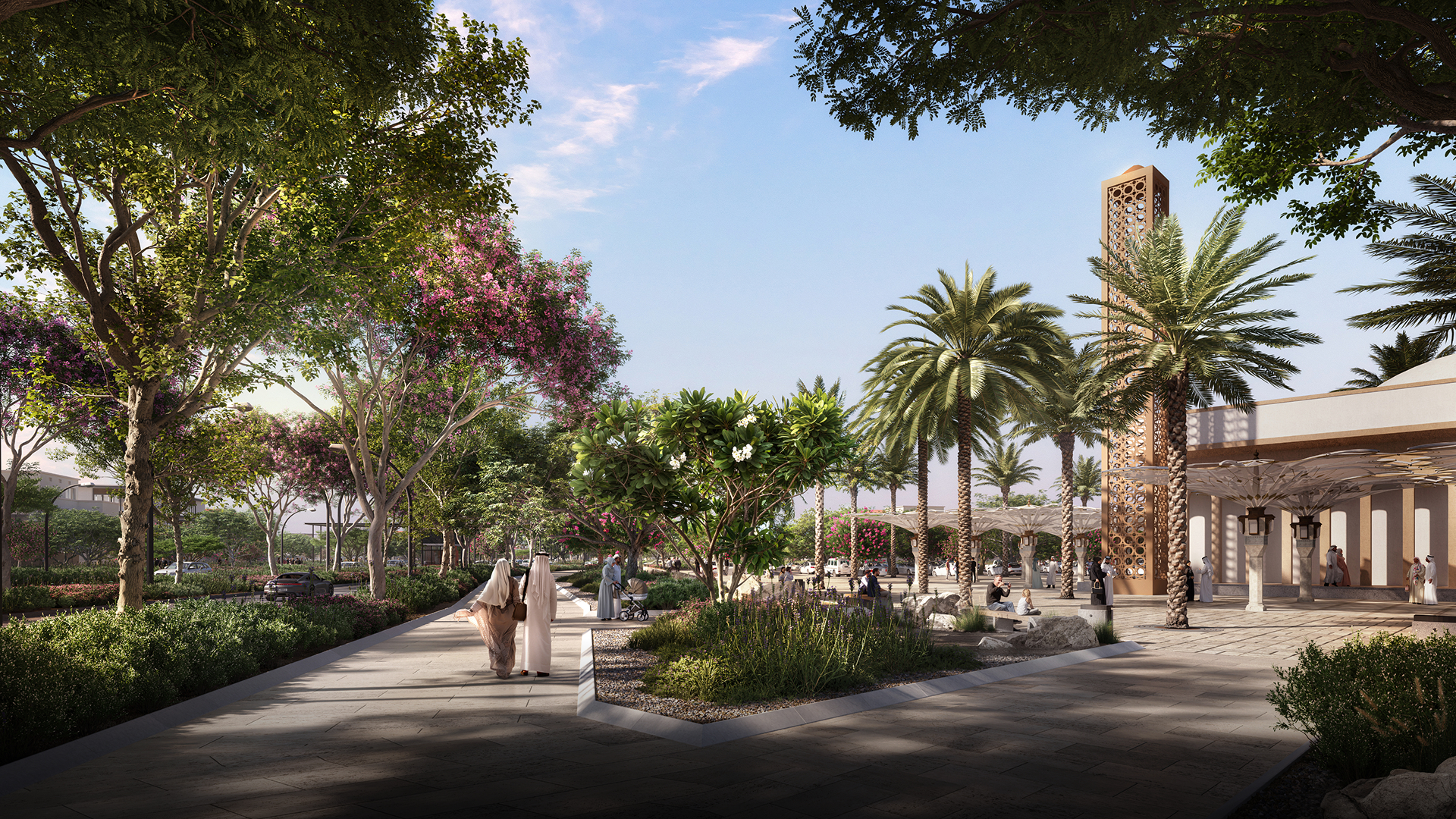
When you first arrive in Abu Dhabi, you’ll notice how naturally the city brings together tradition and modern life. Its culture is shaped by Islamic heritage and Arabian hospitality, while its international communities add a lively, welcoming feel.
Cultural norms to be aware of in Abu Dhabi
Abu Dhabi is welcoming and easy to adapt to, but understanding a few local customs can make everyday life smoother.
- Dress modestly in public places such as malls, government offices and traditional markets. At religious sites like the Sheikh Zayed Grand Mosque, full coverage is expected, including a headscarf for women
- Keep public behavior respectful. Handholding is generally acceptable, but stronger public displays of affection are best avoided
- Be mindful around mosques during the five daily calls to prayer, when people usually lower their voices and show extra respect
- It is polite to use your right hand when offering money, receiving food or greeting someone with a handshake
- Always ask before taking photos of people, especially women and families. Photography is also restricted in government, military and some private areas
- Online conduct matters too. The UAE has strict laws around offensive language, defamation and privacy breaches on social media and messaging apps
What life is like day to day in Abu Dhabi
Daily life in Abu Dhabi is comfortable, convenient and built around variety.
- Dining ranges from local Emirati dishes like machboos to international fine dining, with neighbourhood markets and casual restaurants across the city
- Shopping includes major destinations like The Galleria and Yas Mall, as well as traditional spots such as the Al Mina Souks
- Outdoor life is a big part of the lifestyle during cooler months, whether that means walking along the Abu Dhabi Corniche, visiting Jubail Mangrove Park or spending time at the beach
- The climate is sunny year-round, with very hot summers and milder winters that are ideal for outdoor activities
- For entertainment, Yas Island stands out with theme parks, family attractions and major events including the Formula 1 Grand Prix
Finding your home in Abu Dhabi in 2026
Choosing a home in Abu Dhabi usually comes down to a simple question: what kind of daily life do you want? For most buyers and renters, that means weighing up location, community feel, and how well a development is built and managed.
- Reem Island works well for those who want to be close to ADGM and the central business districts. Modon developments like Reem Hills, Tara Park and Muheira put schools, retail, and waterfront living within easy reach
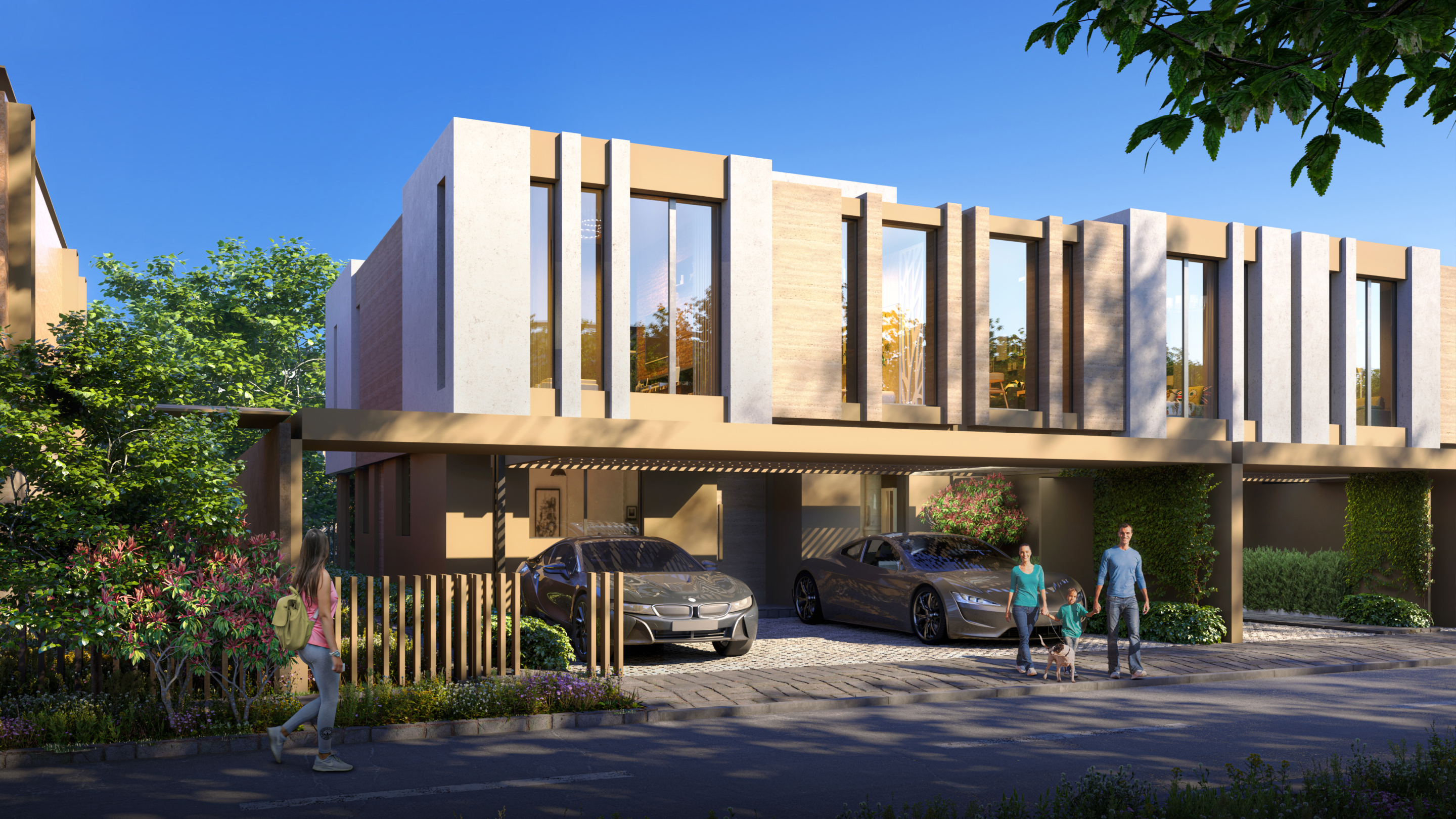
- Hudayriyat Island is a natural fit for families who want more space and an active outdoor lifestyle. Communities including Nawayef, Al Naseem, Hudayriyat Golf Estates and Bashayer offer villas, townhouses, and direct access to sports facilities, cycling tracks, and the waterfront
Across both locations, Modon Properties builds with long-term living in mind, combining strong property standards with master-planned infrastructure that holds its value.
In 2026, Abu Dhabi continues to attract people looking for a city that genuinely delivers on its promise. For many people, that is what makes Modon a natural part of the conversation when looking for a home in Abu Dhabi.
FAQs about living in Abu Dhabi 2026
Is Abu Dhabi a good place to live for expats?
Yes. Abu Dhabi is a popular choice for expats thanks to its high safety, tax-free income, strong job market, and multicultural lifestyle. With excellent healthcare, international schools, and long-term visa options, it offers a comfortable place to live for both professionals and families.
How much money do I need to live comfortably in Abu Dhabi?
It depends on your lifestyle and household size. Many single professionals live comfortably on AED 9,000 to 12,000 per month, while couples may need around AED 15,000 to 20,000. For families, especially with private school costs, a more comfortable range for the cost of living in Abu Dhabi is around AED 25,000 to 35,000 per month.
What is the best area to live in Abu Dhabi for families?
Popular family-friendly areas in Abu Dhabi include Hudayriyat Island, Yas Island, Saadiyat Island, Khalifa City, and Al Raha Gardens. These neighbourhoods are known for spacious homes, nearby schools, parks, and a safe, community-focused environment.
Is Abu Dhabi safe?
Yes. Abu Dhabi is widely known as one of the safest cities in the world, with low crime rates, strong public security, and family-friendly neighbourhoods. Many residents feel comfortable living, commuting, and walking around the city at any time of day.
References
- Cost of living in Abu Dhabi. (2026, August). Prices in Abu Dhabi.
- Daman Insurance. (n.d.). Daman.
- Department of Culture and Tourism. (n.d.). Department of Culture and Tourism Abu Dhabi.
- International Schools Database. (2026, August 22). List of every international school in Abu Dhabi teaching in English.
- PureHealth. (2026, August 26). PureHealth.
- Visas. (n.d.).
- Department of Economic Development | Abu Dhabi DED. (n.d.).