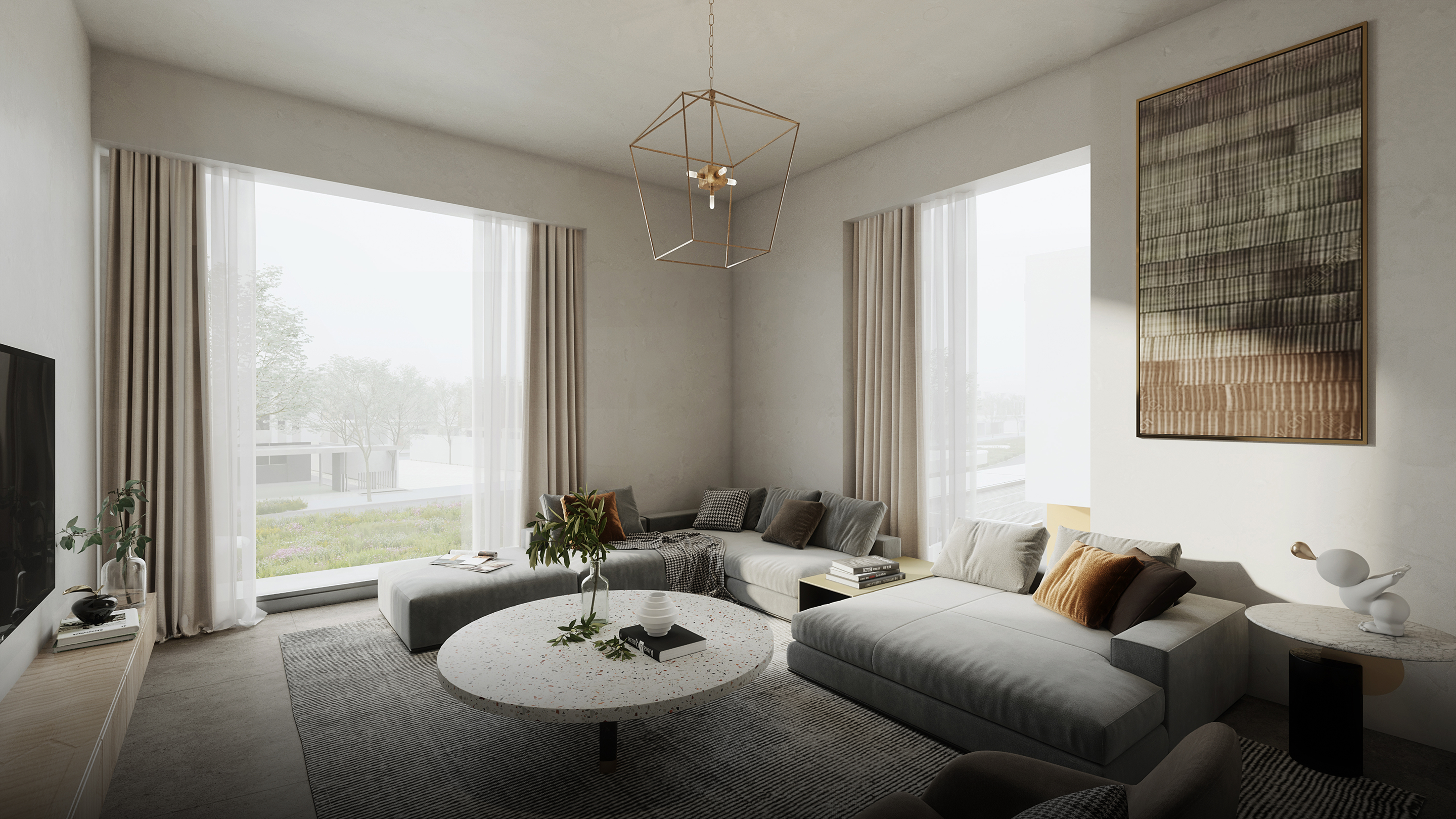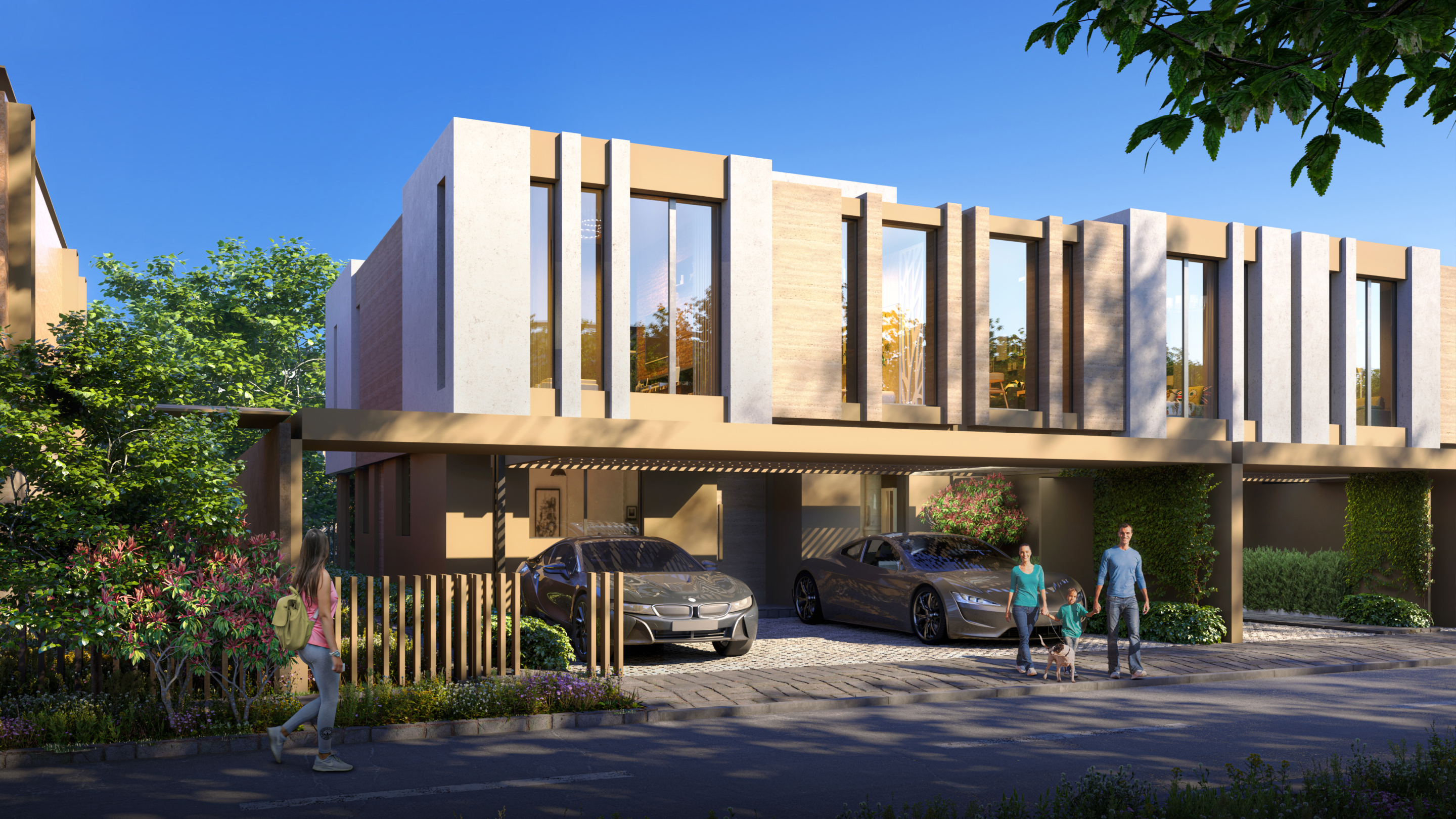
It’s 2026, and Abu Dhabi is still one of the most exciting places in the region to call home. New communities are taking shape, demand keeps growing, and the city continues to attract families and professionals who want more than just a place to stay.
It’s no surprise that one question keeps coming up: is it better to buy or rent in Abu Dhabi right now?
The honest answer is that it depends on your budget, your lifestyle, and how long you plan to stay. In this guide, we break down the real pros and cons of both, so you can figure out what makes sense for you.
Key takeaways
- Buying a house in Abu Dhabi may make more sense if you plan to stay five to seven years or longer
- Renting a house in Abu Dhabi usually needs less cash, while buying requires a 20% down payment plus fees
- A qualifying property worth AED 2 million or more may support a 10-year UAE Golden Visa
- Investment areas such as Al Reem Island, Yas Island, and Masdar City may offer yields of around 5% to 8%
- ADREC, Tawtheeq, and Madhmoun help make Abu Dhabi property transactions more secure
All you need to know about renting a house in Abu Dhabi
Before we get into the pros and cons, here’s what you need to know about renting in Abu Dhabi. In Abu Dhabi, renting a property offers flexibility and financial ease, making it a practical choice for expats, short-term residents, and long-term tenants alike.
Pros of renting a house in Abu Dhabi
For many people, this is where renting in Abu Dhabi makes the most sense. It keeps upfront costs lower and gives you more flexibility as your work, family, or lifestyle needs change.
- Lower upfront costs: No large down payment, land registration fees, or mortgage setup charges
- Protection from sudden rent hikes: ADREC helps regulate renewals and can cap increases to support fairer rental costs
- More flexibility: It’s easier to move between areas like Al Reem Island, Yas Island, and Downtown Abu Dhabi as your needs evolve
- Less maintenance to manage: Major repairs and structural issues are usually the landlord’s responsibility
- Clear legal protection: Tenants have official channels to resolve lease disputes or unfair rent increases
Cons of renting a house in Abu Dhabi
At the same time, renting in Abu Dhabi does come with a few trade-offs, especially if you’re thinking more long term.
- No equity built over time: Monthly rent is a living expense, not an investment in an asset
- No benefit from property appreciation: If property values rise, renters do not share in that growth
- Yearly lease renewals: In some cases, landlords may choose not to renew, within legal guidelines
- Limited freedom to customise: Major changes or renovations usually need the landlord’s written approval
Additional costs to keep in mind while renting a house in Abu Dhabi
Before you sign, it’s worth factoring in a few extra costs beyond the annual rent, as these can make a real difference to your overall renting budget in Abu Dhabi.
| Cost component | Typical charge / calculation | Description & responsibility |
|---|---|---|
| Security deposit | 5% of annual rent (unfurnished); up to 10% (furnished) | Refundable deposit held by the landlord to cover potential property damage beyond normal wear and tear. Paid upfront by the tenant. |
| Real estate brokerage fee | 5% of annual rent + 5% VAT | Commission paid to the licensed real estate agency facilitating the leasing transaction. Paid by the tenant upon signing. |
| Municipality fee | 5% of total annual rent | Mandatory civic tax levied by the municipality. Paid by the tenant, broken down into monthly installments, and added directly to your water/electricity bill. |
| Tawtheeq registration fee | AED 50 per year | Official registration fee for tenancy contract attestation. Legally, this fee must be paid by the landlord. |
| ADDC connection / deposit | AED 1,000 (refundable deposit) + connection fees | Security deposit and connection charges for activating water and electricity through the Abu Dhabi Distribution Company (ADDC). Paid by the tenant. |
| Chiller / AC charges | Varies by consumption (if not district-chilled) | Monthly fee for air conditioning services. Some units include central AC in the rent, while district cooling (e.g., Tabreed) incurs separate utility charges paid by the tenant. |
When does buying a house become cheaper than renting?
In Abu Dhabi, buying a house usually starts to make more sense than renting once you reach your break-even point, which is often around four to seven years. After that, owning your home can begin to work out better than continuing to rent.
How quickly you reach that point depends on factors like location, mortgage terms, and rental yields, so the timeline can look different from one property to another.
Note: Use a UAE mortgage calculator for a personalized estimate based on current interest rates, down payment requirements, and specific property service fees.
Which option is right for you in 2026?
At the end of the day, buying or renting a home in Abu Dhabi depends on how long you plan to stay, how ready you are financially, and what your long-term goals look like.
Buying makes sense if you are:
- Planning to stay five+ years: This gives you more time to recover upfront buying costs and start building equity
- Looking at long-term residency: A qualifying property worth AED 2 million may support eligibility for the 10-year UAE Golden Visa
- Raising a family in a settled community: Owning in places like Yas Island, Al Raha Beach, or Saadiyat Island can offer more stability
- Investing for rental income and growth: Abu Dhabi rental yields of around 5% to 8% can appeal to buyers thinking long term
- Financially settled in the UAE: If your income is stable, putting monthly housing costs towards a mortgage may feel more worthwhile over time
Renting makes sense if you are:
- On a one to two-year contract: Renting is usually the safer option if your renewal is uncertain
- Working with limited upfront capital: It is easier to get started without the larger down payment and buying costs
- Likely to relocate often: Renting makes it much simpler to move areas or adjust your home as your situation changes
Five questions to ask before you decide whether to buy or rent in the long run
When weighing up buying vs renting in Abu Dhabi, the monthly cost is only part of the picture. These five questions are worth sitting with before you commit either way.
1. How long do I plan to stay in Abu Dhabi?
Why it matters: Buying a house comes with upfront costs that typically run 6% to 8% of the property price, and those costs take time to recover.
The baseline: Under five years, renting is usually the safer call. At five to seven years or more, buying starts to make better financial sense.
2. Do I have enough capital for the real upfront costs?
Why it matters: Most expat buyers need at least a 20% down payment on a first home priced under AED 5 million.
The baseline: On top of that, you will need cash for fees, registration, and valuation. On a home priced at AED 1.5 million, that adds up to roughly AED 390,000 to AED 420,000 before you get the keys.
3. Is my income stable enough for a long mortgage commitment?
Why it matters: Banks assess your Debt Burden Ratio (DBR) and generally cap total monthly debt at 50% of your gross salary.
The baseline: You should be able to cover your mortgage, service charges, and maintenance costs without stretching, even if rates shift after the initial fixed term.
4. What does my employer package cover?
Why it matters: How your housing allowance is structured can tip the balance between renting and buying.
The baseline: A flexible, cash-equivalent allowance can go toward your mortgage. If your employer pays rent directly, buying means giving up a benefit that is already working for you.
5. Does buying support my long-term UAE residency plans?
Why it matters: Property ownership is one of the more straightforward routes to long-term residency in the UAE.
The baseline: A qualifying property with at least AED 2 million in value or paid equity may open the door to a renewable 10-year UAE Golden Visa for you and your family.
Buying vs renting briefly
In Abu Dhabi, the choice between buying and renting usually comes down to how your finances line up with your timeline and long-term plans. The snapshot below compares the main transaction costs, ongoing expenses, and key risks.
| Factor | Buying property | Renting property |
|---|---|---|
| Upfront costs | High: 20% minimum cash down payment, 2% Abu Dhabi Municipality transfer fee, 2% agency commission, and 0.1% mortgage registration fee | Low: 5% security deposit (refundable), 5% agency commission (+ VAT), and initial ADDC connection deposit |
| Monthly obligations | Mortgage principal and interest payments, plus ongoing community maintenance and service fees | Fixed monthly or cheque-based rent payments, plus municipality fees (5% of annual rent split monthly on ADDC) |
| Relocation flexibility | Low: Selling a property takes time and incurs brokerage costs, leaving capital tied to market liquidity | High: Easy mobility upon lease expiry; tenants can change neighbourhoods or exit without long-term liquidity risk |
| Exposure to price risk | High: Property values fluctuate with market cycles, carrying both asset appreciation potential and market devaluation risks | Zero: Landlords absorb property depreciation, structural maintenance costs, and capital loss risks |
| Long-term financial impact | Builds tangible home equity and opens opportunities for rental yield (5–8% average) or UAE Golden Visa residency | Rent payments are purely operational expenses that do not build asset ownership or long-term equity |
| Control over the home | Full ownership rights to renovate, modify, upgrade interior spaces, or lease the unit out | Strict limits on internal modifications; space alterations require landlord authorization |
How Madhmoun improves confidence for buyers and renters
Madhmoun, introduced by the Abu Dhabi Real Estate Centre (ADREC), is Abu Dhabi’s government-backed property verification system and Multiple Listing Service (MLS).
It works like a digital authenticity check. Property owners must approve listings, while agencies need a unique, QR-coded permit before advertising a property for sale or rent.
Madhmoun gives buyers and renters more confidence by:
- Reducing misleading listings: Listings are linked to official records, helping confirm that the property exists, is available, and matches the advertised details
- Keeping prices consistent: Landlord approval helps prevent unauthorised agents from changing prices or publishing inaccurate rates
- Limiting duplicate listings: Fewer brokers can advertise the same property, reducing repeated or spam-like listings across property portals
- Checking broker credentials: Buyers and renters can deal with licensed professionals who have verified ADREC authorisation
Planning your next move in Abu Dhabi
Choosing between buying and renting in Abu Dhabi really comes down to your budget, your timeline, and what feels right for the next few years. Renting gives you more flexibility and lower upfront costs, while buying can help you build equity and support longer-term plans.
Whatever you choose, it helps to rely on verified information. Tools like Madhmoun can make the process feel more secure.
If you are exploring communities in Abu Dhabi, Modon offers thoughtfully planned destinations designed around modern living, family life, and coastal surroundings in Hudayriyat Island and Reem Island.
FAQs about buying vs renting in Abu Dhabi
Is it better to buy or rent in Abu Dhabi in 2026?
If you plan to stay in Abu Dhabi for less than 5 years, renting is usually the easier choice. It gives you more flexibility and lower upfront costs.
Buying tends to make more sense if you expect to stay 5 to 7 years or longer. It can help you build equity and may also support longer-term residency goals.
Can expats buy property in Abu Dhabi?
Yes. Expats can buy property in Abu Dhabi in designated investment zones like Al Reem Island, Yas Island, Saadiyat Island, Al Raha Beach, and Masdar City.
What are the upfront costs of buying vs renting?
Buying usually needs more cash upfront. If you are buying a property under AED 5 million, you will usually need a 20% down payment plus fees.
Renting is cheaper upfront. You will usually pay a security deposit, agency fee, and utility setup costs.
Does buying property give you a UAE visa?
Yes, property ownership can support UAE residency. A qualifying property worth AED 2 million or more may make you eligible for a 10-year Golden Visa.
References
- Estimate your home loan payments – Mortgage Calculator UAE | Mortgage Finder. (n.d.). Mortgage Finder.
- Rently. (2026, May 18). No security deposit rent in Abu Dhabi: What tenants must know. Rently Blog.
- Team, G. W. (2026, July 29). UAE Real Estate: The Complete 2026 Guide. Groovy Web.
- Weixuan. (2026, March 30). How to buy property in the UAE as a foreigner in 2026. Overseas News - Overseas Property News.