Choosing between freehold and leasehold property is the fundamental decision that shapes your property investment journey in the UAE. This choice defines the extent of your ownership, your control over the asset, and your potential for future returns. Expatriates and investors entering the market in 2026 must prioritise this understanding to secure the best possible value. This guide explains the key differences and benefits of freehold vs. leasehold property, so you can choose the one that is right for you.
What is freehold property?
Freehold property means permanent ownership of both the building and the land. This is the most comprehensive property right, granting you total control to sell, lease or modify the property forever.
Benefits of freehold property
Choosing the right ownership type is crucial for a smart investment. Freehold property is ideal for investors who want stability and long-term financial security.
- Complete control: You retain full autonomy over the property, allowing you to renovate, lease or sell the unit according to your own timeline and preferences
- Value appreciation: Freehold assets typically benefit from consistent market value growth, enabling you to build significant equity and realise a strong return on investment
- Generational security: The title is permanent and can be passed on to your heirs
- Residency eligibility: Investing in freehold real estate often qualifies owners for long-term UAE residency visas, providing a stable foundation for expatriates living in the region
- Wide market selection: Freehold zones are in popular UAE areas, offering many communities and property types
What are the risks and limitations of freehold properties?
Owning a freehold property outright comes with specific responsibilities that impact your finances. Make sure you can handle the responsibilities that come with owning the property outright.
- Higher initial cost: Freehold properties usually have a higher purchase price because you are buying both the unit and the land
- Maintenance responsibility: The owner manages all repairs and upkeep, meaning you must budget for ongoing maintenance costs
- Market fluctuations: Property values change with the economy, which can impact your total equity if the market slows down
- Selling timelines: Converting property back into cash can take time, as finding a buyer is a longer process than ending a lease
What is a leasehold property?
Leasehold property gives you the right to occupy and use a unit for a fixed period, usually up to 99 years. You own the building’s rights for that time, but the land remains with the landlord. You can generally renovate or sub-lease. The property rights return to the landowner when the lease ends.
Benefits of leasehold property
Leasehold property ownership presents a compelling alternative for those seeking value and convenience. This ownership option provides distinct financial and lifestyle advantages for buyers prioritising affordability.
- Lower entry cost: Leasehold properties are cheaper to buy, meaning you need less investment upfront
- Simplified maintenance: The freeholder or developer typically manages major maintenance and structural repairs
- Contract renewal: You retain the option to renew the agreement at the end of the lease term, ensuring long-term stability and eliminating the need for frequent relocation
What are the risks and limitations of leasehold properties?
Generally, leasehold property agreements place clear boundaries on your rights as an owner. You must weigh these restrictions against the cost benefits to ensure the property fits your lifestyle.
- Renovation limits: Modifications and improvements often require written approval from the landlord
- Restricted locations: Leasehold developments are concentrated in specific designated areas, offering a narrower range of neighbourhoods compared to freehold options
What is the difference between leasehold and freehold property?
Comparing the differences between leasehold and freehold property side-by-side provides the clarity needed for a final decision. This overview highlights exactly how your rights and responsibilities shift between the two models:
| Factor | Freehold property | Leasehold property |
|---|---|---|
| Ownership rights | Full ownership of the property and the land it stands on | Ownership of the property for a fixed term (up to 99 years), not the land |
| Control and modifications | Freedom to renovate, modify, or sell at any time | Modifications may require the land owner’s approval |
| Tenure duration | Permanent ownership | Fixed lease term (commonly 30–99 years) |
| Renewal requirement | Not applicable | Have to renew the lease at the end of the term |
| Maintenance responsibility | Managed by the owner | Often handled by the landlord or the management company |
| Location availability | Only in designated freehold areas | Only in specific leasehold areas |
| Investment appeal | Higher long-term value and flexibility | Lower entry cost but less appreciation potential |
Freehold vs. leasehold property: Which option is better for different buyer types?
Your investment strategy dictates the ideal ownership structure. The “best” option depends entirely on your financial goals, your intended length of stay, and whether you prioritise capital growth or immediate rental income.
End-users (Homeowners)
Freehold is the superior choice for those planning to settle in the UAE. It guarantees permanent stability, allows for custom renovations to suit your lifestyle and ensures the property remains a family asset that can be inherited.
Long-term investors
Freehold ownership offers the strongest potential for capital appreciation. Since the asset does not depreciate due to a shortening lease term, it retains its resale value better over decades, making it the standard for wealth preservation.
Short-term investors
Investors focused on immediate rental yields or those with a limited budget may find value in leasehold properties. The lower entry price often results in a higher percentage of return on rent in the initial years, provided the investor enters and exits the market strategically.
Expatriates seeking residency
Freehold property is the primary pathway for securing long-term UAE residency. Investing in freehold units typically qualifies buyers for renewable visas, including the Golden Visa, which is a key safeguard for expats living in the region.
Freehold vs. leasehold: Cost and value considerations
Analysing the financial breakdown of each option reveals where your money actually goes. Understanding the relationship between the upfront price and the long-term value trajectory is essential for maximising your capital.
- Price point differences: Freehold properties cost 15-25% more per square foot than leasehold, but you own the land. Leasehold is cheaper and better for investors on a tight budget
- Long-term value: Freehold properties tend to increase in value over time because the ownership is permanent. Leasehold properties usually lose value as the lease term gets shorter, which lowers the resale price
- Mortgage and financing: It’s usually easier to get a bank loan for freehold property, with lower interest and needing a smaller down payment (sometimes up to 80% loan). Leasehold property loans might require a bigger down payment and have slightly higher interest rates because of the increased risk for the bank
- Resale potential: Freehold properties sell faster because people want permanent ownership. Leasehold units can be slower to sell, especially if the remaining lease is short
Freehold vs. leasehold: Legal and ownership considerations
Property rights are defined by law, providing security for your investment. Different regulations govern how each ownership type is registered, managed, and transferred.
Registration and documentation
Freehold: Purchasing a freehold unit grants you a title deed issued by the Dubai Land Department (DLD). This document certifies your unconditional ownership of the property and the underlying land in perpetuity, serving as the ultimate proof of your asset’s legal status.
Leasehold: Leasehold agreements are registered with the DLD, giving you an official leasehold title deed. This document confirms your legal right to use the unit for the length of the contract.
Ownership rights and control
Freehold: You can change, fix up, or rebuild the property and the land as you wish, as long as you follow local building safety rules. This gives you a lot of freedom to get the most out of the asset.
Leasehold: You can use the inside of your unit exclusively. But, for big changes or structural work, you usually need permission from the freeholder or developer to keep the building safe for everyone.
Renewal clauses
Freehold: Because ownership is absolute and permanent, there are no renewal clauses or expiry dates to manage. The title remains valid indefinitely.
Leasehold: The agreement states how long the lease lasts; afterward, the property rights usually go back to the owner. Many long-term leases can be extended if both parties agree based on current market conditions.
Succession and inheritance
Freehold: Your property is a permanent asset and part of what you leave behind. In the UAE, freehold properties can be passed down to your heirs, protecting their wealth for the future.
Leasehold: A leasehold’s remaining term can be passed on to your family. They can use the property for the rest of the agreement.
Freehold vs. leasehold: Which one offers better ROI?
To figure out your investment return, you must decide whether you prioritise a higher sale price later (capital growth) or more money now (annual income). Your personal financial goals determine the better choice.
- Capital appreciation: Freehold properties are the engine for long-term wealth. Because the title is permanent, these assets consistently outperform leasehold units in value growth, making them the standard for building equity
- Rental yields: Leasehold properties often yield higher immediate returns. With entry prices typically lower than freehold equivalents, the rental income represents a larger percentage of your initial investment
The verdict: Choose freehold property to safeguard your principal and maximise resale value. Or choose leasehold if your strategy relies strictly on short-term cash flow.
Freehold vs. leasehold in the UAE property market
Understanding the local geography is just as important as understanding the legal definitions. In the UAE, ownership rights are strictly tied to specific locations designated by the government.
- Designated investment zones (Freehold): The government has allocated specific areas such as “Investment Zones” where foreign nationals can purchase freehold titles. These zones are typically master-planned communities designed for high-quality living and international investment
- Non-investment zones (Leasehold): Areas outside these designated zones are generally reserved for UAE nationals or offered to expatriates on a leasehold basis only
Modon: A strategic freehold portfolio
Modon has strategically developed its portfolio within Abu Dhabi’s premier investment zones, ensuring that expatriate investors and families can secure full freehold titles.
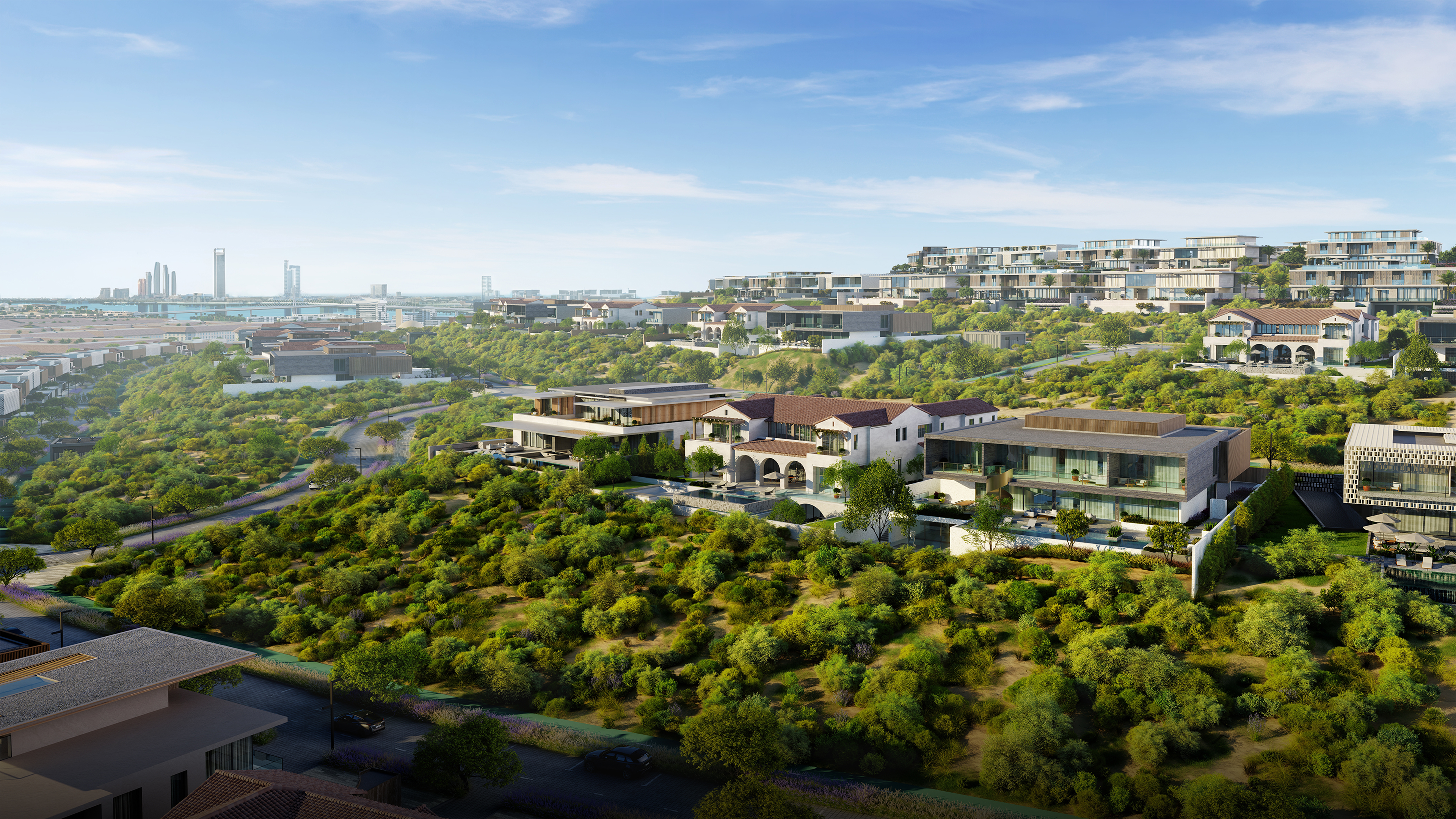
Hudayriyat Island: This premium destination is a designated investment zone. Modon’s flagship communities here, such as Nawayef, Al Naseem and Bashayer, offer freehold villas and mansions. These projects allow investors to own a piece of one of Abu Dhabi’s most ambitious island developments in perpetuity.
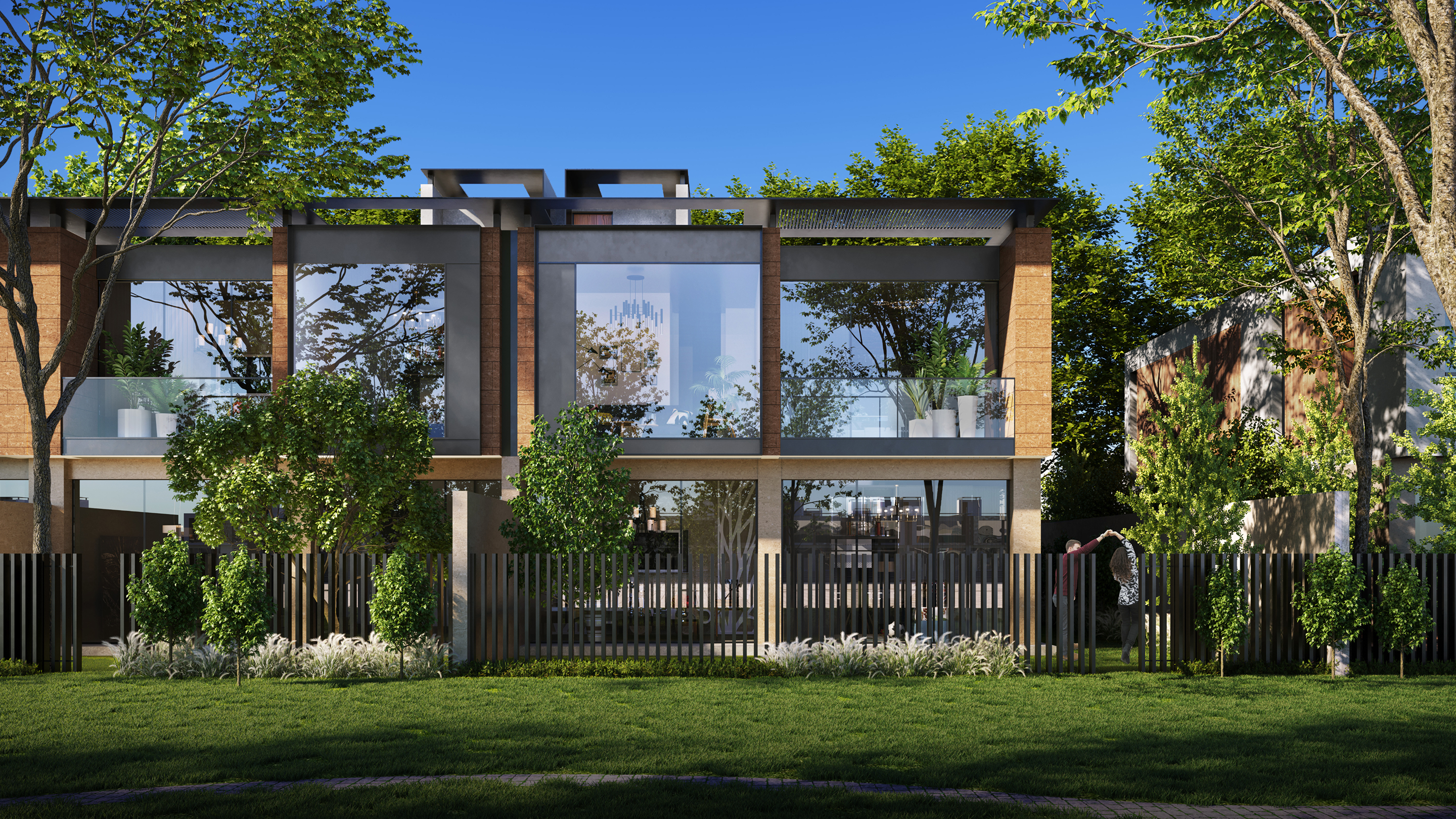
Reem Island: As one of the capital’s most established investment zones, Reem Island offers robust freehold opportunities granting full ownership rights to all nationalities. Within this connected, wellness-focused ecosystem, Modon’s premier developments provide diverse living options: Reem Hills features a luxurious gated villa community, while Maysan introduces a unique collection of townhouses and stacked maisonettes. Additionally, Tara Park and Muheira deliver curated collections of contemporary luxury apartments.
Which form of property should you choose?
The decision ultimately aligns with your timeline and your vision for the future.
Freehold is better for long-term ownership, a legacy, and maximum growth because it’s permanent. On the other hand, leasehold is good if you need a low entry cost or high short-term income, but you must plan to sell before the lease expires and the value drops.
Whether you choose the perpetual security of a freehold home or a strategic leasehold investment, clarity is your most valuable asset.
Frequently asked questions
Can expats buy freehold property in the UAE?
Yes, expatriates can purchase freehold property in designated “investment zones” defined by the government.
What happens when a leasehold property lease expires?
The ownership rights to the unit typically revert to the landowner at the end of the term. However, many agreements provide an option to renew the lease, allowing you to extend your tenure before the contract concludes.
Is freehold property always more expensive than leasehold?
Freehold properties generally command a higher price because they include land ownership. However, a luxury leasehold property in a prime, central location may cost more than a modest freehold unit in a developing community.
Can leasehold properties be sold or transferred?
Yes, leasehold properties are transferable assets. You can sell the “right to use” the property for the remaining years of the contract, subject to the landlord’s approval and standard transfer fees.
Can I sell my leasehold property before the lease ends?
You are free to sell your leasehold interest at any time during the contract. The sale price will largely depend on market demand and the number of years remaining on the lease term.
References
- Zainab Husain, & Zainab Husain. (2025, January 21). Buying freehold property in Dubai: Your guide to securing full ownership. Gulf News.
- Wealth, S. O. (2026, January 5). Buying and owning a property as a foreigner in Dubai (2026). Sands of Wealth.
- Collyne. (2020, March 26). How much down payment do I need for a mortgage? Mortgage Finder.
- Dubai Land Department - Home. (n.d.).
- Investopedia: Property
- Investopedia: Leasehold